Sibberstock will raise funds for three important charities that are close to the hearts of many Sibbertoft residents. We are grateful to everyone who attends the festival and contributes to our fundraising efforts. This gratitude extends particularly to everyone who is coming together to make Sibberstock possible, from the helpers to the performing artists, all of whom have given their time and talent for free.
The Peace Park
In 2023, a parcel of land on Welland Rise was kindly gifted to Sibbertoft village by a long-time resident. Gratefully accepted, the Peace Park was established as a registered charity and the land lovingly landscaped to create a small and perfectly formed amenity for the whole village to enjoy. The team is working hard to continually enhance the park, add seating areas, a new wall, and trees and shrubs. Sibberstock festival proceeds will contribute to the Peace Park’s charity fund.

The Reading Room
Located on Berkely Street, the Reading Room was given to the village in 1911 by a local benefactor Elizabeth Mansel. Today, extended and updated, the Reading Room serves as Sibbertoft’s village hall and regularly used as a focal point for villagers and those outside the village. Sibbertoft Reading Room became a registered charity in 1965 with charity number 304245. The charity is a not-for-profit organisation, governed by a trust deed and has two trustees.

St Helen’s Church
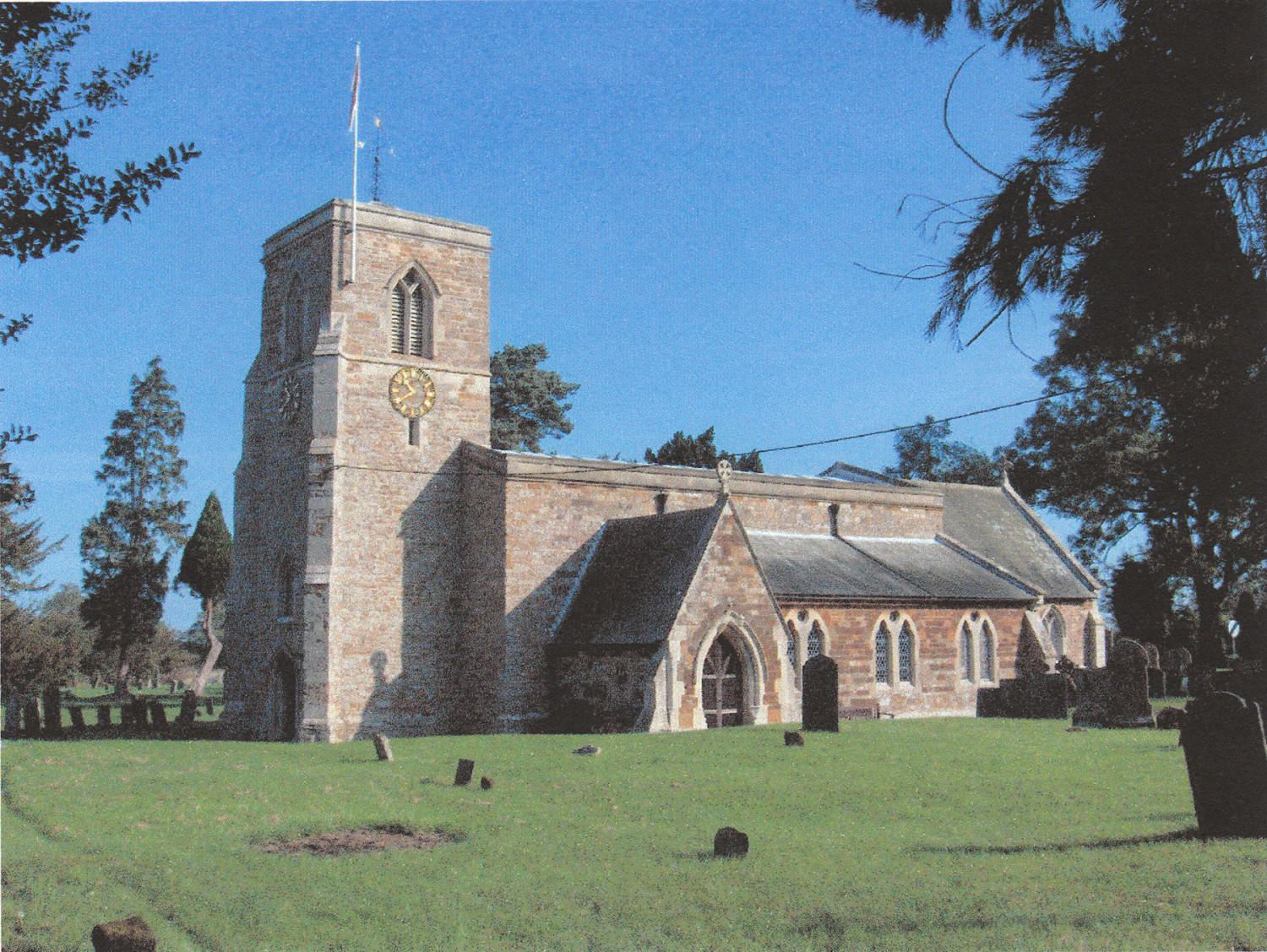
St Helen’s Church in Sibbertoft is a Grade II* listed building standing on the west side of Church Street at the north end of the village. Its main structure was erected in the 13th and 14th centuries, though evidence of a church existing in Sibbertoft by 1086 is indicated in the Domesday Book, which records the presence of a priest there.
Architectural features, like the two-light window, hail from the late 13th Century. Many sections of the medieval building have been dated to the 14th century, such as the chancel arch, the north nave arcade, the inner arch of the porch and the tower. Major Victorian restoration of the church took place about 1862-3 by Edward Browning. As with many centuries-old buildings across the UK, upkeep and preservation depend on fundraising efforts, and St Helen’s Church is no exception.
 Sibberstock Music Festival